Arthritis in Older Cats: Diagnosis and Care Tips
Arthritis in Older Cats: Diagnosis and Care Tips
If your senior cat seems less playful or is taking longer to get up from a nap as the Michigan weather turns chilly, you are not alone. Many cat owners in Redford Township and the surrounding communities notice their older companions slowing down and showing subtle signs of discomfort as the seasons change. At Five Mile Animal Hospital, our veterinary team understands how important it is for you to keep your aging cat happy, comfortable, and mobile throughout their golden years. In this blog, we will help you recognize the early signs of feline arthritis, explain how our veterinarians diagnose joint issues, and share practical care tips for managing arthritis in your older cat at home. You will also learn when it is time to schedule a visit to our 25920 Five Mile Road, Redford Township, MI 48239 clinic for a thorough evaluation.
Recognizing Arthritis in Senior Cats: What to Watch For
Cats are masters at hiding discomfort, so arthritis can sneak up on even the most attentive owner. Understanding the subtle ways that arthritis shows up in daily life will help you spot problems earlier, allowing your cat to receive the support they need. Common signs of feline arthritis include a gradual decrease in activity, reluctance to jump onto favorite perches, or hesitation when climbing stairs. You might notice your cat grooming less, particularly along their back or hindquarters, since turning or stretching can become uncomfortable. Some cats may become more withdrawn, spend more time sleeping, or show changes in temperament such as increased irritability when being handled. Stiffness after resting, a limp, or a change in the way your cat walks are also important clues. If you have a litter box with high sides, accidents just outside the box may signal that your cat is struggling to climb in. Paying close attention to these subtle behavioral and physical changes is the first step in supporting your senior cat’s joint health.
Understanding Why Arthritis Develops in Older Cats
Arthritis, also called osteoarthritis or degenerative joint disease, is a common cause of chronic pain in older cats. This condition develops gradually as the cartilage cushioning your cat’s joints begins to wear down over time. As the protective cartilage thins, bones within the joint rub together, causing inflammation, pain, and decreased mobility. While age is the primary risk factor, other contributors include previous injuries, genetic predisposition, obesity, and certain underlying health conditions. For example, heavier cats experience more stress on their joints, which can accelerate the progression of arthritis. Cats with a history of joint trauma or developmental abnormalities may also be at higher risk. Cold, damp weather—such as the kind often experienced in Redford Township during the fall and winter—can sometimes make joint stiffness and discomfort more pronounced. Understanding these underlying causes helps explain why regular veterinary care and early intervention are so important for senior cats.
How Five Mile Animal Hospital Diagnoses Joint Issues in Cats
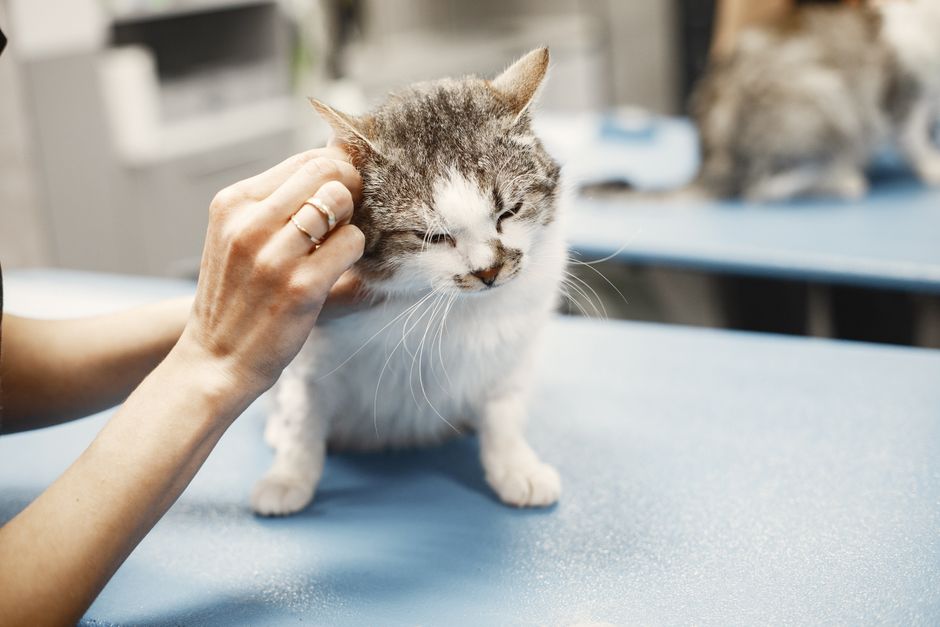
When your cat shows signs of discomfort or mobility changes, a thorough veterinary evaluation is essential for an accurate diagnosis. At Five Mile Animal Hospital, our veterinarians begin with a detailed medical history and a hands-on physical examination, watching for pain, swelling, or reduced range of motion in your cat’s joints. We may recommend a comprehensive wellness examination to assess your cat’s overall health, as arthritis can sometimes be linked to other age-related conditions.
Advanced diagnostic tools help us get a clearer picture of your cat’s joint health. Digital imaging, such as digital radiology, allows us to visualize changes in the bones and joints, including narrowing of joint spaces, bone spurs, or areas of inflammation. In some cases, our in-house pet diagnostic lab may be used to rule out other causes of mobility problems, such as infections or metabolic diseases. Together, these diagnostic approaches help us develop a tailored care plan to ease your cat’s discomfort and maintain their quality of life.
Treatment and Management Options for Feline Arthritis
Once arthritis is diagnosed, the goal becomes managing pain, preserving mobility, and improving your cat’s daily comfort. Treatment plans at Five Mile Animal Hospital are customized to each cat’s specific needs and may involve several components. Pain management is a cornerstone of arthritis care; our veterinarians may prescribe feline-safe medications that reduce inflammation and relieve discomfort. It is important to never give over-the-counter medications meant for people, as many common pain relievers are toxic to cats.
Weight management is another key part of arthritis treatment. If your cat is overweight, our team can recommend a safe weight loss plan to reduce joint strain and slow the progression of disease. Therapeutic diets, joint supplements containing ingredients like glucosamine and chondroitin, and prescription foods can also support joint health. Gentle, regular exercise—such as encouraging your cat to play with interactive toys at their own pace—helps maintain muscle tone and flexibility. In more advanced cases, additional treatments such as physical therapy, acupuncture, or environmental modifications may be discussed to further improve your cat’s comfort.
Home Care Strategies to Keep Your Senior Cat Comfortable
Caring for a cat with arthritis at home involves making small changes that add up to big improvements in comfort and mobility. Start by providing soft, easily accessible bedding in your cat’s favorite resting spots. Heated beds or pads can be especially soothing during colder months in Redford Township, as warmth helps ease joint stiffness. Place food and water dishes, as well as litter boxes, on the same level of your home to minimize the need for climbing stairs. Consider using ramps or pet stairs to help your cat reach elevated surfaces such as beds or windowsills.
Regular gentle grooming can help your cat stay clean and comfortable, especially if arthritis limits their ability to reach certain areas. Keep claws trimmed, as overgrown nails can make walking more difficult. Encourage safe, low-impact playtime to maintain muscle strength, but always let your cat set the pace and avoid forcing activity. Maintaining a consistent routine helps reduce stress and allows you to monitor for any changes in mobility, appetite, or mood.
When to Schedule a Veterinary Visit for Your Older Cat
Early intervention is the key to keeping your senior cat active and pain-free. You should schedule a veterinary appointment if you notice persistent limping, reluctance to jump, changes in grooming habits, or any sign of discomfort that does not resolve within a few days. Sudden or severe lameness, marked swelling, or signs of acute pain—such as crying out when touched—warrant prompt attention. Cats with arthritis also benefit from regular checkups, even if their symptoms appear mild, as routine monitoring allows our veterinarians to adjust treatment plans before problems escalate. If you are unsure whether your cat’s behavior changes are normal aging or something more serious, our team at Five Mile Animal Hospital is always here to help you make the best decision for your feline companion.
Supporting Your Senior Cat: Compassionate Arthritis Care in Redford Township
Caring for a cat with arthritis can feel overwhelming, but you do not have to manage it alone. At Five Mile Animal Hospital, our veterinary team is dedicated to providing gentle, effective care for senior cats throughout Redford Township and the surrounding communities. We offer comprehensive senior pet care services tailored to the unique needs of aging cats, with a focus on pain management, prevention, and maximizing quality of life.
If you are searching for a veterinarian near me who understands the challenges of feline arthritis, schedule an appointment with our caring team. Call us at (313) 532-4440 or visit our 25920 Five Mile Road, Redford Township, MI 48239 location to discuss your cat’s needs and explore your options for keeping them active and happy all year long. Remember, early diagnosis and proactive management make all the difference in your senior cat’s comfort and mobility. Let us partner with you in providing the best possible care for your feline family member.