August Allergy Relief for Redford Dogs and Cats
August Allergy Relief for Redford Dogs and Cats
As August arrives in Redford Township and the humidity rises, many pet owners notice their dogs and cats scratching, sneezing, or licking their paws more than usual. Late summer in Michigan brings a surge of pollen, mold spores, and other allergens that can make life uncomfortable for your pet. At Five Mile Animal Hospital, located at 25920 Five Mile Road, Redford Township, MI 48239, we understand how frustrating it can be to watch your beloved companion struggle with seasonal allergies. This guide will help you recognize the signs of allergies in both dogs and cats, understand what causes these symptoms, and learn how you can help your pet feel their best during Michigan’s late-summer allergy season. We will cover how to spot allergy symptoms, why they appear this time of year, the treatment options available at our clinic, and practical steps you can take at home. If you are concerned about your pet’s comfort or health, our compassionate team of veterinarians is here to help you find relief for your dog or cat.
How to Recognize Allergy Symptoms in Dogs and Cats
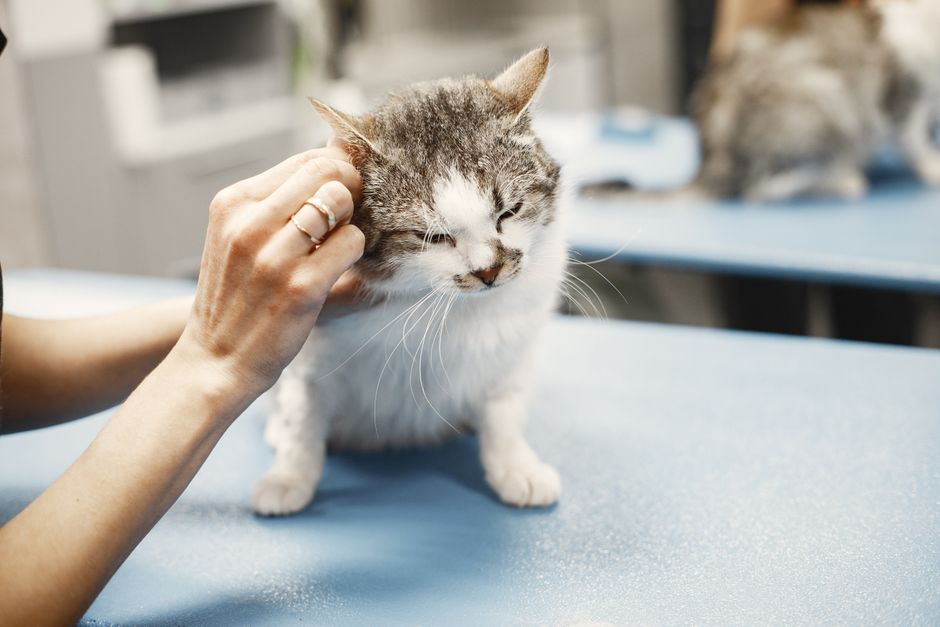
It is easy to mistake an itchy pet for one that is just having a normal scratch, but allergies often cause more persistent or severe symptoms. Dogs with allergies may show signs such as frequent scratching, licking or chewing at their paws, red or inflamed skin, hair loss in spots, or even recurrent ear infections. Cats, on the other hand, may develop small scabs around their neck or face, over-groom until bald spots appear, or sneeze more than usual. You might also notice watery eyes, nasal discharge, or increased head shaking in both species. Unlike humans, who often get runny noses or watery eyes as their main allergy symptoms, pets tend to display allergies through their skin or ears. If your dog is constantly licking between his toes after walks, or your indoor-outdoor cat seems to be grooming herself raw, these are clues that allergies could be the culprit.
When Symptoms Become Concerning
Allergies can range from mild to severe. While a bit of itching is normal, symptoms like raw skin, open sores, excessive licking, or repeated ear infections should never be ignored. Dogs and cats with allergies may lose sleep or become irritable, and some can even develop secondary infections that require medical treatment. If your pet’s comfort or quality of life seems affected, it is time to look deeper into the cause.
What Causes August Allergies in Michigan Pets?
Late summer brings a unique set of allergy triggers for pets in Redford Township and surrounding communities. The most common culprits this time of year are environmental allergens such as ragweed pollen, grass pollens, molds that flourish in humid weather, and even dust mites that thrive indoors. August is a peak time for ragweed, which can drift into your home even if your pet spends most of their time indoors. Dogs that enjoy playing in the yard or going for evening walks often pick up pollen on their fur and paws. Cats, especially those that venture outside, can also bring in allergens that cling to their coats.
Why Some Pets Are More Sensitive
Certain breeds are more prone to allergies, including retrievers, terriers, and flat-faced cats like Persians. However, any dog or cat can develop allergies at any age. Genetics, immune system differences, and even previous exposure to allergens can all play a role. Some pets may also have food allergies or sensitivities that make environmental allergies worse. Additionally, the warm, humid climate of a Michigan August creates ideal conditions for mold and dust mites to multiply, intensifying your pet’s symptoms.
How Five Mile Animal Hospital Diagnoses and Treats Pet Allergies
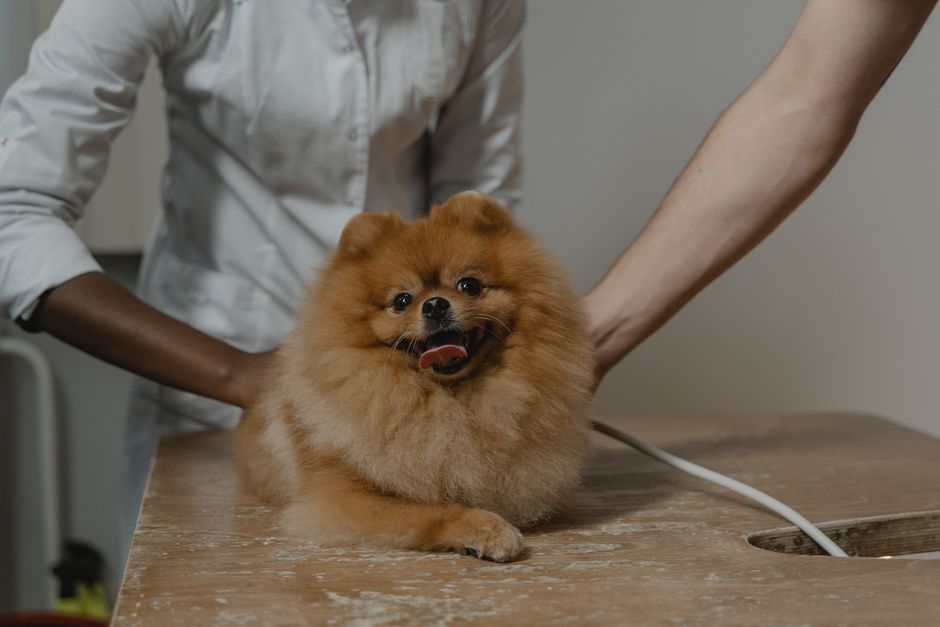
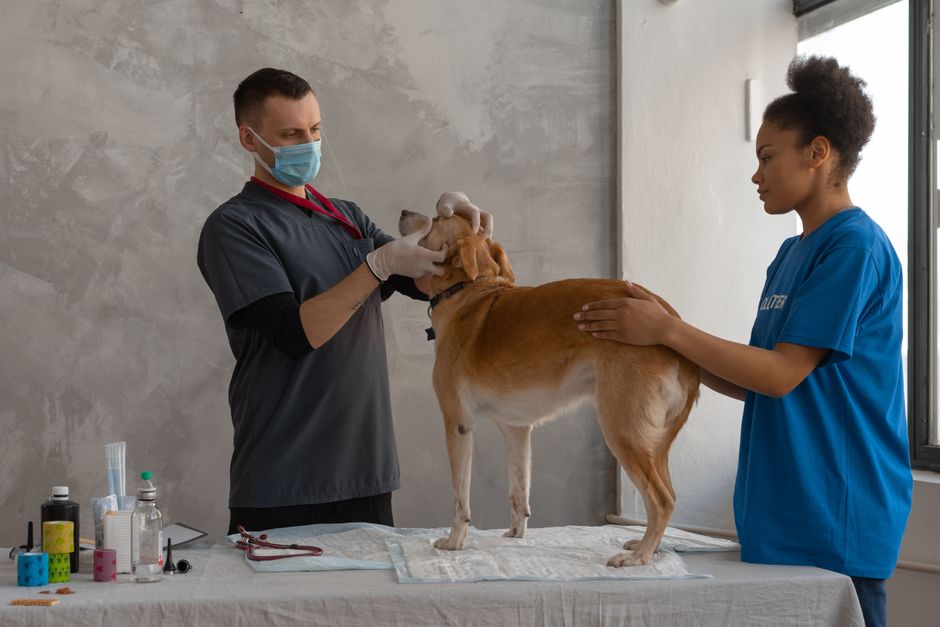
When you bring your pet to our clinic for allergy concerns, our team of veterinarians starts with a thorough history and physical examination. We ask questions about when symptoms began, how they have changed, and any patterns you may have noticed with the weather or environment. During your pet’s wellness examination, we carefully inspect the skin, ears, and coat, looking for evidence of infection or parasites that can mimic allergies. In some cases, diagnostic tests such as skin scrapings, cytology, or blood work may be recommended to rule out other conditions.
Treatment Options for Dogs and Cats with Allergies
Managing allergies in pets often involves a combination of approaches. For mild symptoms, topical treatments like medicated shampoos or sprays can help soothe irritated skin and remove allergens from the coat. In more moderate or severe cases, oral medications such as antihistamines, prescription allergy medications, or short-term steroids may be prescribed to control inflammation and itching. Pets with recurring ear infections may need ear cleansers or topical medications. For dogs and cats with secondary bacterial or yeast infections, antibiotics or antifungal treatments may be needed to restore skin health. Our veterinary team may also recommend changes to your pet’s routine, such as more frequent baths or wiping down paws after walks, to reduce allergen exposure.
If allergies are suspected but not confirmed, advanced diagnostic tools available at our clinic, including our pet diagnostic laboratory services, can provide valuable insights. In some cases, we may suggest allergy testing or refer for specialized dermatology care if your pet’s symptoms are persistent.
Home Care and Prevention Tips for Managing Pet Allergies
While professional veterinary care is essential for moderate to severe allergies, there are many steps you can take at home to minimize your pet’s exposure and discomfort. Regularly bathing your dog with a gentle, veterinary-recommended shampoo can help wash away pollen and allergens. For cats, frequent brushing and wiping their coat with a damp cloth can remove surface allergens. After outdoor play, wiping your pet’s paws and belly can prevent them from tracking pollen into your home or ingesting it when they groom.
Keeping windows closed on high pollen days and using air purifiers can reduce indoor allergen levels. Washing your pet’s bedding frequently and vacuuming floors and furniture can also help control dust mites and molds. If your cat has allergies, providing multiple clean resting areas and limiting time spent outdoors may be beneficial. Diet can play a supporting role as well; a balanced diet rich in omega-3 fatty acids may help support skin health and reduce inflammation. Always consult with your veterinarian before making any major dietary changes for your pet.
When to Schedule a Veterinary Visit for Allergy Symptoms
Pet owners often wonder when it is necessary to seek veterinary care for allergies. If your dog or cat is chewing, licking, or scratching so much that they are causing sores, bald spots, or bleeding, or if you notice recurring ear or skin infections, it is time to call for help. Persistent sneezing, breathing problems, or swelling of the face are also signs that should never be ignored. Allergies can worsen over time and lead to more serious health issues if left untreated.
If you are unsure whether your pet’s symptoms are due to allergies or another underlying medical problem, a veterinary exam is the best way to get answers and relief. Early intervention can prevent complications and help your pet enjoy the remainder of summer in comfort.
Trust Five Mile Animal Hospital for Compassionate Allergy Care
Seasonal allergies are a common struggle for dogs and cats in Redford Township, but your pet does not have to suffer through August discomfort. The experienced team at Five Mile Animal Hospital is dedicated to helping your companion find relief with customized allergy management strategies. With our full range of diagnostic and treatment options, including wellness examinations and advanced diagnostic laboratory services, we are here to support your pet’s health every step of the way.
If you are searching for a trusted veterinarian near me, schedule an appointment with our team today. We welcome new and returning patients from Redford Township and surrounding communities. For expert guidance on seasonal allergies, or to book a comprehensive pet exam, call Five Mile Animal Hospital at (313) 532-4440 or visit our conveniently located clinic at 25920 Five Mile Road, Redford Township, MI 48239. Your pet’s comfort and happiness are always our top priority.
This blog is for informational purposes only and does not replace a professional veterinary diagnosis. Please consult your veterinarian for individualized medical advice.