Cold Weather Pet Safety Tips for Redford Dog and Cat Owners
Cold Weather Pet Safety Tips for Redford Dog and Cat Owners
As November brings chilly winds and frosty mornings to Redford Township, many dog and cat owners begin to worry about keeping their pets safe and comfortable during the cold months ahead. Cold weather can pose real risks for dogs and cats, especially here in southeast Michigan, where winter temperatures often dip below freezing. At Five Mile Animal Hospital, we understand how important it is for you to protect your pet from the challenges of winter, whether you’re enjoying a snowy backyard play session or making sure your senior cat stays cozy indoors. In this guide, we’ll share practical cold weather safety tips for both dogs and cats, including how to spot signs of trouble, indoor and outdoor care advice, and when to schedule a visit with our caring veterinary team at 25920 Five Mile Road, Redford Township, MI 48239.
We’ll also help you recognize when your pet may need professional medical attention and how our services, from wellness examinations to advanced diagnostics, can support your pet’s health all winter long. Whether you live right here in Redford Township or in nearby communities, our goal is to help you keep your pet healthy, happy, and safe throughout the coldest months.
Recognizing Cold Weather Risks for Your Pet
Understanding how cold weather affects dogs and cats is the first step toward prevention. Even pets with thick fur coats are vulnerable to winter’s hazards, particularly when temperatures fall below freezing or wind chills intensify. Some pets are at greater risk than others, including very young puppies or kittens, older pets, those with thin or short coats, and pets with chronic health conditions.
Key warning signs that your dog or cat may be struggling with the cold include shivering, whining, anxiety, or reluctance to go outside. You might also notice your pet seeking out warm places to curl up or limping after being outdoors, which can signal that their paws are too cold or have come into contact with ice-melting chemicals. For cats, hiding or reduced movement around the house can also indicate discomfort or cold stress. If your pet seems lethargic, confused, or has pale or bluish gums, these could be signs of more serious cold exposure and require prompt veterinary attention.
Why Cold Weather Can Be Dangerous for Dogs and Cats
Cold temperatures present a range of challenges for pets, from simple discomfort to more serious health problems like frostbite and hypothermia. Frostbite typically affects the extremities, such as ears, tails, and paws, especially if pets walk on ice or snow. Hypothermia occurs when the body temperature drops too low, which can happen quickly in frigid weather, particularly if a pet becomes wet or is left outside without adequate shelter.
In addition to these acute dangers, winter can also worsen chronic conditions such as arthritis, making movement more painful for older or senior pets. Icy sidewalks and roads pose hazards for paws, and chemicals used to melt ice can be toxic if licked off fur or paws. Even indoor cats and dogs can be affected by drafts, cold floors, or space heaters that may create unsafe hot spots.
How Five Mile Animal Hospital Treats and Supports Cold-Related Pet Health Issues
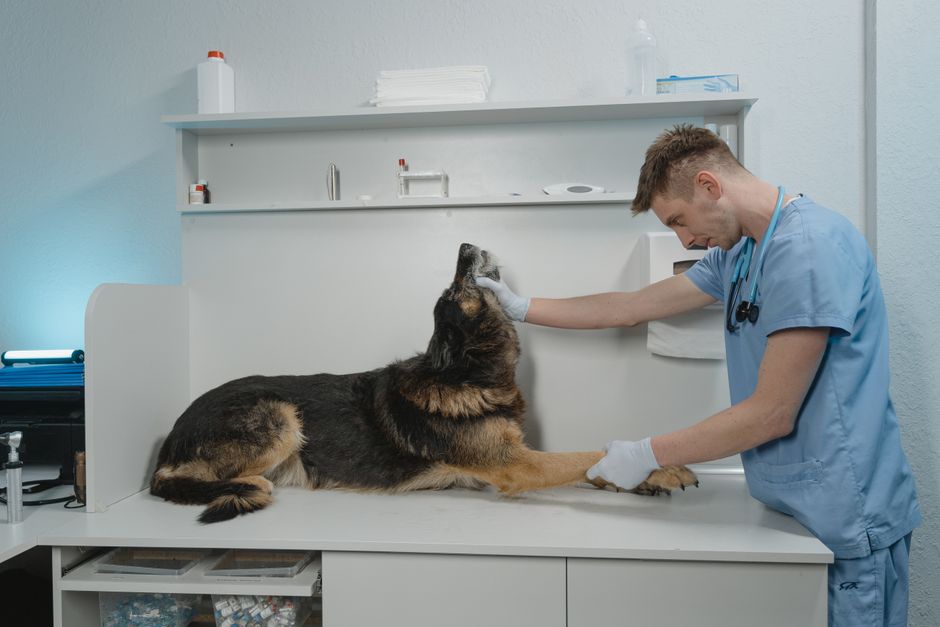
If you suspect your pet is showing signs of frostbite, hypothermia, or winter-related illness, the most important step is to get them warm and contact your veterinarian as soon as possible. Our veterinary team at Five Mile Animal Hospital is equipped to evaluate and treat cold-related health concerns, including providing supportive care, pain management, and wound treatment for frostbite or injuries.
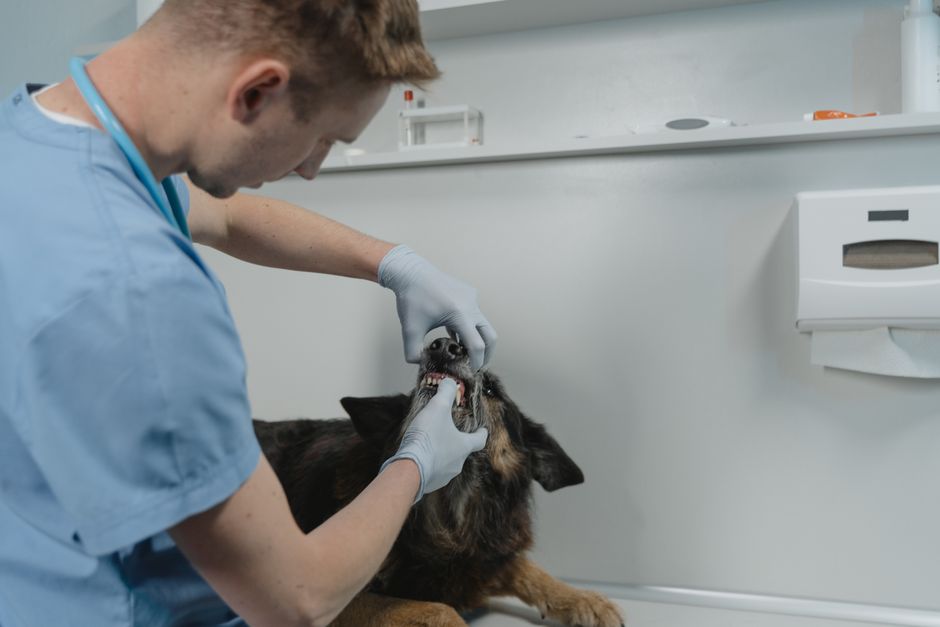
During a wellness examination, we can assess your pet’s risk factors for cold weather problems and offer personalized recommendations for winter care. For pets with chronic conditions such as arthritis, we may suggest adjustments to medication or supplements, physical therapy strategies, and home modifications that can help your pet stay comfortable as temperatures drop.
Our in-house pet diagnostic lab is available to quickly evaluate any sudden changes in your pet’s health, including unexplained lethargy, limping, or signs of infection. We also offer senior pet care services to help older dogs and cats remain active and comfortable all winter, with special attention to mobility, pain management, and tailored nutrition.
Practical Prevention and Home Care for Winter Pet Safety
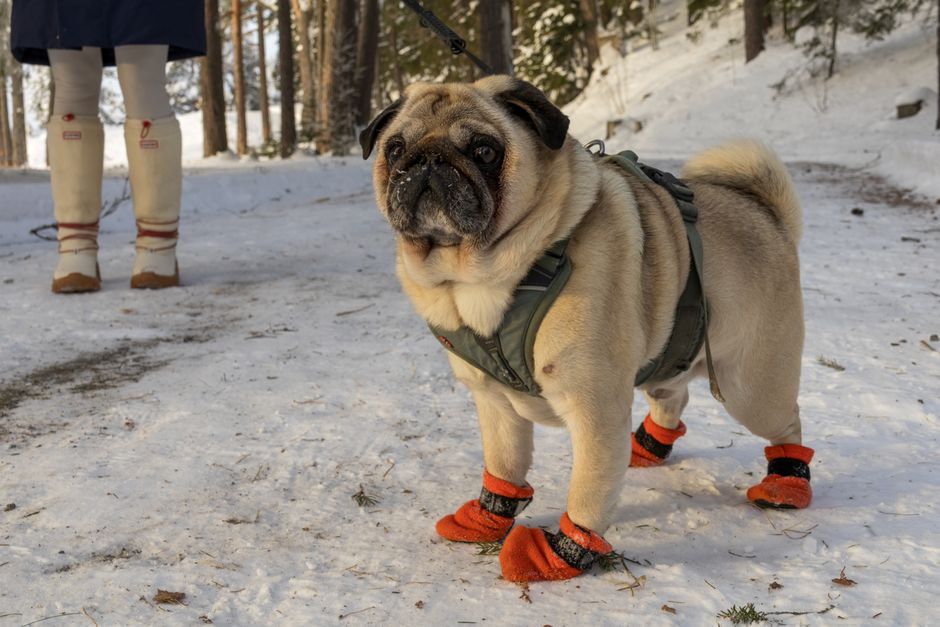
Protecting your dog or cat from the cold starts at home. Limiting outdoor time on very cold days is essential, especially for short-coated breeds or senior pets. When your dog needs a walk, consider using a well-fitted sweater or coat for extra warmth. Wipe your pet’s paws after walks to remove ice, snow, and any de-icing chemicals; this reduces the risk of irritation and accidental ingestion.
Make sure your pet always has a warm, draft-free place to sleep indoors, ideally away from doors, windows, or space heaters. Raised beds, thick blankets, and heated pads designed for pets can provide comfort, especially for older animals. For cats, encourage cozy hiding spots by placing beds in sunny windows or near safe heat sources, always checking that your feline cannot become trapped or overheat.
Monitor your pet’s water bowl, as water can freeze quickly in unheated areas. Hydration is just as important in winter as in summer, so keep water fresh, accessible, and unfrozen. Pay attention to diet as well; some pets may need a few extra calories to maintain body heat, while others may need help avoiding winter weight gain due to reduced activity. Your veterinarian can help you determine the best nutrition plan for your pet’s age and lifestyle.
When it comes to walks or outdoor play, keep outings shorter during frigid weather and watch for signs that your pet wants to go back inside. Never leave dogs or cats unattended outdoors for extended periods, even if they seem to enjoy the snow. For homes with outdoor cats, provide an insulated shelter and ensure access to food and water that will not freeze.
When to Call Your Veterinarian: Recognizing Emergencies and Seeking Help
It can be difficult to know when winter discomfort crosses the line into a true medical emergency. Warning signs that require prompt veterinary attention include persistent shivering, severe lethargy, difficulty walking, pale or blue gums, or any evidence of frostbite (such as pale, hard, or blistered skin on the ears, paws, or tail). If your pet collapses, seems confused, or shows difficulty breathing after cold exposure, seek immediate veterinary care.
Additionally, if your pet ingests any ice-melt chemicals, antifreeze, or unknown substances while outside, call your veterinarian right away; these products are highly toxic and can be life-threatening. If you are unsure whether your pet’s symptoms are serious, it is always safer to schedule an appointment with our veterinary professionals at Five Mile Animal Hospital for a thorough health check.
Our team is here to answer your questions and provide compassionate care, whether you need a same-day visit for an urgent concern or want to discuss preventive strategies for the season ahead.
Supporting Your Pet’s Health All Winter: The Importance of Ongoing Veterinary Care
Regular veterinary visits are vital during the winter months, especially for senior pets or those with chronic health problems. Cold weather can exacerbate arthritis, respiratory conditions, and other health issues that may not be obvious until they worsen. By scheduling a wellness examination, you can catch subtle changes early and get tailored advice for your pet’s unique needs.
Our veterinary team also recommends staying up to date on pet vaccination services, as infectious diseases remain a risk year-round. Regular checkups help ensure your pet’s immune system is strong and that any emerging problems are addressed quickly, keeping your pet comfortable and healthy no matter how cold it gets outside.
Conclusion: Keeping Your Dog or Cat Safe This Winter in Redford Township
Winter in Redford Township can be a magical season for you and your pet, but it also brings real challenges that require preparation and vigilance. Remember to limit outdoor time on frigid days, provide warm bedding, keep water unfrozen, and pay close attention to any signs of cold stress in your dog or cat. If you ever have questions about your pet’s health or notice concerning symptoms, our team of veterinarians at Five Mile Animal Hospital is here to help.
To schedule a wellness examination, discuss winter safety strategies, or address any concerns about your pet’s health, call us at (313) 532-4440 or visit our practice at 25920 Five Mile Road, Redford Township, MI 48239. When searching for a veterinarian near me you can trust, know that our compassionate veterinary professionals are dedicated to supporting pets and families in Redford Township and the surrounding communities all year long.
For more information on keeping your dog or cat healthy through every stage of life, explore our senior pet care services or reach out with any winter safety concerns. Stay warm, stay safe, and let us help you make this a healthy season for your four-legged family members.