How to Keep Senior Cats Healthy This Fall in Redford
How to Keep Senior Cats Healthy This Fall in Redford
As the leaves turn and temperatures drop in Redford Township, fall becomes a season of cozy evenings and shifting routines—not just for families, but for the senior cats who share our homes. If you’re caring for an aging feline, you may find yourself wondering how best to support your cat’s health and comfort during the cooler months. At Five Mile Animal Hospital, located at 25920 Five Mile Road, Redford Township, MI 48239, our veterinary team is dedicated to helping your senior cat thrive through every season. In this guide, we’ll explore the changes older cats experience in autumn, signs to watch for, and practical tips to keep your feline companion happy and healthy. We’ll also explain how services like senior pet care and routine wellness examinations at our clinic can make all the difference for your cat’s golden years.
Recognizing Health Concerns in Senior Cats During Fall
As cats age, their needs and vulnerabilities shift, especially when seasonal changes come into play. Fall in Redford Township often brings cooler nights and shorter days, which can impact older cats in unique ways. You may notice your senior cat slowing down, seeking out extra warmth, or showing subtle changes in behavior. Common signs that your older cat might need extra attention this season include increased sleeping, reluctance to jump onto favorite perches, changes in appetite, or less grooming than usual. Additionally, some cats may begin to vocalize more at night or appear more withdrawn from the family. Stiffness or decreased mobility are also common as cooler weather can exacerbate arthritis and joint issues. If your cat is drinking or urinating more than normal, coughing, sneezing, or showing signs of dental discomfort, these may further indicate health issues that require prompt veterinary attention. Noticing these changes early allows you to take proactive steps, ensuring your cat enjoys a comfortable fall and winter.
Why Do Senior Cats Face More Health Challenges in Autumn?
The transition into autumn can be challenging for senior cats due to a combination of age-related changes and environmental factors. As cats grow older, their immune systems may weaken, making them more susceptible to respiratory infections that tend to circulate as the weather cools. The drop in temperature can cause stiff joints to become even less flexible, especially in cats with underlying arthritis. Changes in household heating and lighting can also affect your cat’s daily routine; shorter days may disrupt sleep cycles or prompt a shift in behavior. Senior cats often experience changes in metabolism and may have less body fat to help regulate their temperature, making them more sensitive to the cold. Additionally, dental disease, common in older felines, can worsen during the fall if cats are less inclined to eat due to discomfort or if owners switch to different foods for the season. For cats with chronic conditions such as kidney disease, diabetes, or hyperthyroidism, seasonal changes can complicate management, emphasizing the need for careful monitoring and veterinary support.
Professional Care: How Veterinary Services Support Senior Cats
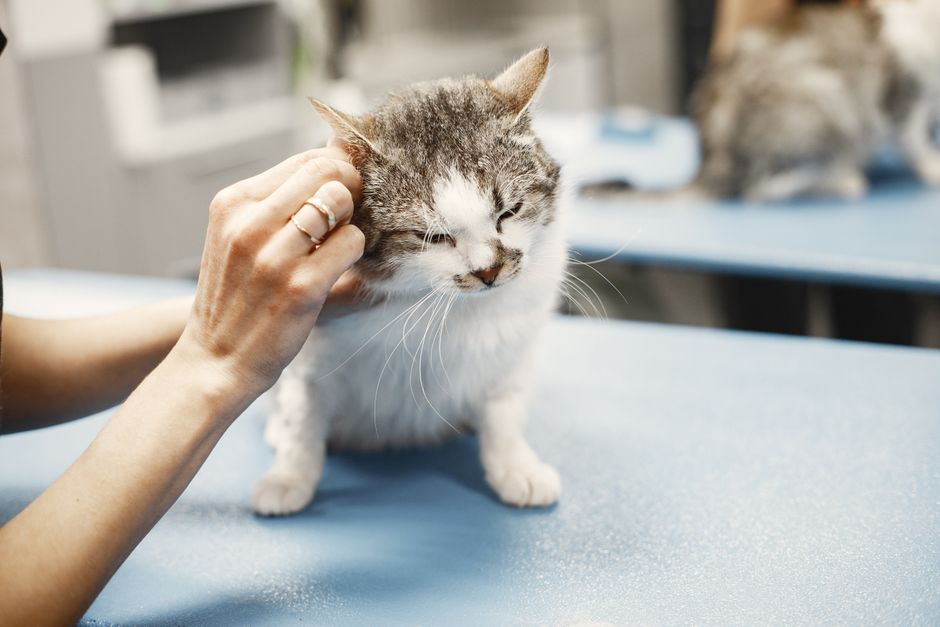
Regular veterinary care is essential for senior cats, especially during times of seasonal transition. At Five Mile Animal Hospital, our team provides comprehensive wellness examinations specifically tailored to the needs of aging cats. These checkups allow us to assess your cat’s body condition, mobility, and overall well-being, as well as to monitor for early signs of chronic illness. Key elements of a senior cat wellness visit include a thorough physical examination, bloodwork to screen for common age-related diseases, and discussions about diet and home environment. Dental health is another crucial focus; our veterinarians can evaluate for gingivitis, tooth resorption, and other oral problems, recommending appropriate pet dental cleaning services when necessary. For cats with ongoing health conditions, periodic diagnostic tests help us adjust treatment plans as needed. By working closely with you, our veterinary team can develop a personalized care approach that addresses your cat’s unique needs this fall, providing guidance on pain management, weight control, and quality-of-life enhancements.
The Role of Diagnostic Testing
Diagnostic screening plays a major role in senior cat care. In-house laboratory testing, such as blood chemistry, urinalysis, and thyroid panels, allows us to catch underlying issues like kidney disease or diabetes before symptoms become severe. For cats showing signs of coughing, sneezing, or breathing changes, advanced diagnostics help us identify respiratory infections or heart conditions that may be more common in cooler weather. Radiographs and other imaging tools are available for evaluating arthritis, dental health, or abdominal concerns. By investing in regular diagnostics, you give your senior cat the best chance at early intervention and improved long-term health.
Fall Home Care Tips for Senior Cats
Supporting your aging cat at home is just as important as regular veterinary visits. As temperatures drop, provide extra cozy bedding in warm, draft-free areas and ensure your cat has easy access to favorite resting spots. Consider providing ramps or steps if your cat struggles to reach elevated areas due to arthritis. Maintain a comfortable indoor temperature and avoid sudden changes that could make joints stiff or exacerbate respiratory issues. Nutrition plays a key role for senior cats; offer a balanced diet that supports joint health and maintains an ideal body condition, and consult your veterinarian if you notice appetite changes. Keep fresh, clean water available at all times, as older cats are prone to dehydration. Encourage gentle play and interactive toys to keep your cat’s mind sharp and body active, adjusting activities to suit energy levels. Monitor litter box habits closely, as changes can signal underlying medical concerns. Lastly, regular grooming sessions help prevent matting in older cats who may be less able to care for their coats, while also giving you an opportunity to check for lumps, bumps, or skin changes.
When to Seek Veterinary Care for Your Senior Cat
Knowing when to schedule a veterinary visit is crucial for protecting your senior cat’s health. If you notice sudden changes in behavior, appetite, or energy, or if your cat experiences vomiting, diarrhea, coughing, sneezing, or difficulty breathing, prompt evaluation is strongly recommended. Other red flags include weight loss or gain, increased thirst or urination, limping, or visible discomfort when moving. Dental pain, such as drooling, reluctance to eat, or bad breath, should also prompt a call to your veterinarian. Don’t wait for regular checkup intervals if your cat seems unwell; earlier intervention can make a significant difference in outcome. If you’re unsure whether a symptom warrants a visit, our veterinary team at Five Mile Animal Hospital is always available to discuss your concerns and help you decide on the next steps. For routine monitoring and preventive care, we recommend scheduling wellness examinations at least twice a year for senior cats, as this allows us to track subtle changes and address issues before they escalate.
The Importance of Preventive Senior Pet Care
Preventive care is the cornerstone of keeping senior cats healthy year-round. At Five Mile Animal Hospital, our senior pet care services are designed to adapt with your cat’s changing needs. These programs include regular health assessments, vaccination updates, parasite prevention, and dental evaluations. Fall is an ideal time to review your cat’s health plan, update any needed vaccinations, and discuss options for pain management or dietary modifications before winter arrives. Our team will work with you to create a proactive strategy that addresses both current medical concerns and future risks, helping your cat maintain the best possible quality of life.
Why Choose Five Mile Animal Hospital for Senior Cat Care in Redford?
Selecting the right veterinarian near you is key to your cat’s long-term health and happiness. At Five Mile Animal Hospital, we combine medical expertise with heartfelt compassion for every feline we see. Our location in Redford Township and surrounding communities makes us a convenient and trusted resource for families throughout the area. Our veterinarians understand the unique needs of senior cats and offer a full spectrum of services, from diagnostic testing and dental care to pain management and nutritional guidance. We pride ourselves on building lasting relationships with pet owners, ensuring that your questions are answered and your concerns are addressed with respect and empathy. When searching for a vet near me this fall, you can count on our team for attentive, thorough, and personalized care.
Schedule Your Senior Cat’s Autumn Checkup Today
As autumn settles into Redford, give your senior cat the gift of good health by scheduling a wellness visit with Five Mile Animal Hospital. Our veterinary professionals are here to help you navigate the changing needs of your beloved feline, offering expert advice and compassionate service every step of the way. Whether your cat needs a routine exam, dental evaluation, or help managing chronic conditions, we’re committed to supporting you both. To book an appointment or discuss your cat’s care, call us at (313) 532-4440 or visit us in person at 25920 Five Mile Road, Redford Township, MI 48239. For more information on our wellness examination services or senior pet care programs, visit our website or speak with our team directly. Your cat’s health and comfort matter to us—let’s work together to make this fall a season of vitality and joy for your cherished companion.