How to Prevent Holiday Hazards for Redford Pets
How to Prevent Holiday Hazards for Redford Pets
The holiday season is a time for celebration, but for pet owners in Redford Township and surrounding communities, it can also bring unexpected risks for your dogs and cats. Between festive foods, sparkling decorations, and the excitement of visiting family and friends, your home transforms into a wonderland of new sights, smells, and—unfortunately—potential hazards for your pets. At Five Mile Animal Hospital, located right here at 25920 Five Mile Road, Redford Township, MI 48239, our veterinary team understands just how important it is to keep your companions safe and healthy during the holidays. In this guide, you’ll learn about the most common holiday dangers for Redford pets, how to spot trouble before it starts, and practical steps you can take to prevent emergencies.
Many pet owners are surprised at how quickly a curious dog or cat can find trouble amidst the festivities. From tempting holiday treats to twinkling tinsel and the hustle of houseguests, each element can present a unique risk. We’ll cover which foods you should keep out of reach, what decorations pose the biggest threats, and how to help your pets cope with the seasonal hustle and bustle. Plus, you’ll find expert tips from our veterinarians on when your pet may need a wellness examination to catch hidden health issues that can be made worse by holiday stress. By the end of this blog, you’ll be equipped with knowledge to ensure your pets enjoy a safe, joyful holiday season by your side.
Recognizing Holiday Hazards: What Redford Pet Owners Should Watch For
The first step in holiday pet safety is knowing which warning signs and situations require your attention. Holiday hazards often go unnoticed until a problem arises; however, being aware of the risks ahead of time can make all the difference for your dog or cat.
During the holidays, common symptoms of trouble in pets include vomiting or diarrhea after snacking on forbidden foods, sudden lethargy or loss of appetite, coughing or choking from ingesting decorations, and behavioral changes such as hiding or aggression due to stress. Additionally, you might notice your pet pawing at their mouth, drooling excessively, or showing signs of pain if they have chewed on something sharp or toxic. Cats, in particular, are drawn to shiny ribbons and string, which can pose serious internal risks if swallowed. Dogs may be tempted by unattended plates of food, chocolate, or even the trash after a family meal.
The presence of houseplants like poinsettias, lilies, or mistletoe can also lead to vomiting, drooling, or more severe symptoms if ingested. Electrical cords powering lights or holiday displays can attract playful puppies and kittens, leading to burns or electrical shock if chewed. If your pet seems unusually anxious, especially with new visitors or changes in routine, this can signal that the holiday atmosphere is becoming overwhelming.
By keeping a close eye on these signs and understanding which scenarios are most likely to cause harm, Redford pet owners can act quickly to prevent more serious problems.
Understanding the Causes: Why Holidays Pose Unique Risks for Pets
Holiday celebrations create a perfect storm of new sights, sounds, and smells that can tempt even the most well-behaved pets. Many of the foods that people enjoy during this season—such as chocolate, grapes, raisins, onions, and certain nuts—are toxic to dogs and cats. Rich, fatty dishes may also cause stomach upset or even pancreatitis, especially if your pet sneaks a bite from the table or garbage.
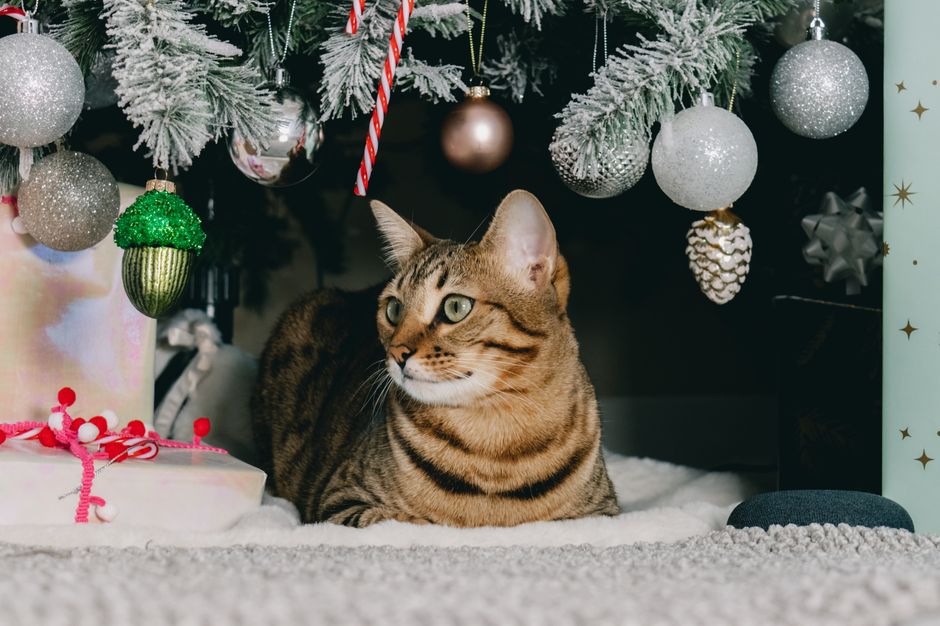
Decorations bring another level of risk. Tinsel, ribbon, and string-like ornaments can be irresistible to cats, but if swallowed, these items can cause dangerous intestinal blockages. Dogs may chew on glass ornaments, leading to mouth injuries or swallowed fragments that damage their digestive tract. Holiday candles and scented oils can burn curious noses and paws, while exposed electrical cords may look like chew toys.
The arrival of houseguests, parties, and changes in routine can be stressful for pets, resulting in anxiety, hiding, or even attempts to escape through open doors. Unfamiliar visitors may not be aware of your pet’s boundaries or dietary restrictions, increasing the chances of accidental feeding or unsafe handling.
Finally, cold weather in Redford Township means that pets are often spending more time indoors, heightening their exposure to indoor hazards and leaving them with fewer outlets for their natural energy. This combination of tempting treats, new objects, and disrupted routines makes it essential for pet owners to stay vigilant and proactive throughout the holiday season.
Treatment and Immediate Actions: What to Do if Your Pet Encounters a Holiday Hazard
If your dog or cat has ingested something they shouldn’t, or if you notice unusual symptoms such as vomiting, diarrhea, difficulty breathing, or unresponsiveness, immediate action is crucial. Remove your pet from the source of the hazard right away, and try to determine what and how much they may have consumed. For example, if you suspect your dog has eaten chocolate or your cat has chewed on tinsel, time is of the essence.
Contact your veterinarian at Five Mile Animal Hospital as soon as possible, especially if your pet is showing symptoms of distress. Our team may recommend bringing your pet in for a thorough exam and, if needed, diagnostic testing to determine the extent of the issue. In some cases, inducing vomiting or administering activated charcoal may be appropriate, but these steps should never be attempted at home without professional guidance; some substances can cause more harm if vomited.
For pets who have experienced electrical shock or burns from chewing cords, immediate veterinary care is necessary to address possible internal injuries. Foreign body ingestion, such as tinsel or ribbon, often requires diagnostic imaging and, in some cases, surgical intervention to safely remove the object.
If you aren’t sure about the severity of your pet’s symptoms, it’s always safest to err on the side of caution and seek veterinary advice. Quick action can mean a faster, smoother recovery and prevent complications.
Prevention and Home Care: Keeping Your Pets Safe During the Holidays
The good news is that with a few simple adjustments, you can make your home a safer place for your pets during the holiday season. Start by placing all holiday foods and treats out of reach, and let your guests know not to feed your pets from their plates. Secure trash cans with tight-fitting lids, and clear away leftover food promptly after meals to reduce temptation.
When decorating, choose pet-safe options whenever possible. Hang tinsel, ribbons, and breakable ornaments higher on the tree where pets cannot reach them, and opt for shatterproof decorations on lower branches. Use cord covers or hide electrical wires behind furniture to deter chewing, and never leave candles or potpourri unattended within your pet’s reach.
Create a quiet, comfortable retreat for your dog or cat where they can relax away from the noise and excitement of guests. This might mean setting up a cozy bed in a spare room or providing a familiar toy or blanket. If your pet is particularly anxious around strangers, consider using calming pheromone diffusers or talking to your veterinarian about additional support strategies.
Monitor houseplants and seasonal greenery, removing or placing them out of reach if they are known to be toxic. Introduce new decorations gradually, and supervise your pets as they explore their changed environment.
Regular wellness examinations can help identify underlying health conditions that might make your pet more vulnerable to stress or illness during the holidays. If your pet is due for vaccines or needs a checkup, scheduling a visit before the festivities begin is a wise precaution.
When to Seek Veterinary Care: Recognizing Red Flags
Knowing when to call your veterinarian can make all the difference in a holiday emergency. Contact Five Mile Animal Hospital right away if your pet displays symptoms such as persistent vomiting or diarrhea, difficulty breathing, seizures, collapse, or unresponsiveness. Signs of pain, bloating, or difficulty passing stool after ingesting foreign objects should also prompt immediate attention.
If you suspect your dog or cat has consumed something toxic—even if they seem fine at first—do not wait for symptoms to appear. Some toxins, like chocolate or certain plants, can take several hours to cause visible effects but may already be causing internal damage.
Pets who are anxious or stressed by holiday changes may benefit from a discussion with our veterinary team about behavior support or medical options. If you are ever uncertain about your pet’s well-being, a quick call to our clinic can give you peace of mind and ensure your companion gets the care they need.
Enjoying a Safe and Joyful Holiday Season with Your Redford Pets
The holidays are meant to be enjoyed with every member of the family—including your beloved pets. By understanding the most common holiday hazards, recognizing warning signs early, and taking preventive steps, you can help your dog or cat stay healthy and happy throughout the festive season. Remember to keep tempting foods and decorations out of reach, provide a quiet retreat from the holiday excitement, and maintain your pet’s routine as much as possible.
If you have any concerns about your pet’s health or want to ensure they are ready for the holidays, our expert veterinary team at Five Mile Animal Hospital is here to help. Schedule a wellness examination or reach out for advice—your pet’s safety and comfort are our top priorities.
When searching for a trusted "vet near me" in Redford Township, you can count on Five Mile Animal Hospital to provide compassionate, comprehensive care for your dogs and cats. To schedule an appointment or speak with one of our veterinarians, call us at (313) 532-4440, or visit us at 25920 Five Mile Road, Redford Township, MI 48239. Let’s work together to keep your pets safe, healthy, and part of every holiday celebration.
This blog is intended for informational purposes only and should not replace professional veterinary advice. Always consult your veterinarian if you have concerns about your pet’s health or safety.