Recognizing Early Signs of Dental Problems in Pets
Recognizing Early Signs of Dental Problems in Pets
As a loving pet owner in Redford Township, you want to protect your dog or cat from discomfort and illness. One of the most common but often overlooked threats to your pet’s wellbeing is dental disease. Early pet dental problems can lead to pain, difficulty eating, and even serious health complications if left untreated. At Five Mile Animal Hospital, located right here at 25920 Five Mile Road, Redford Township, MI 48239, our veterinary team is passionate about helping you recognize the first warning signs of dental issues so you can act quickly.
In this comprehensive guide, you will learn how to spot early signs of dental disease, understand why these problems develop, and discover how regular oral checkups for pets and professional dental care can make a dramatic difference. Whether you are searching for a dental vet near me or simply want to keep your pet’s smile healthy, this blog will help you know what to look for and what to do next. If you are concerned about your pet’s dental health or want to schedule a comprehensive pet exam, our team is ready to help you create a plan for lifelong oral health.
Spotting the Early Signs of Pet Dental Problems
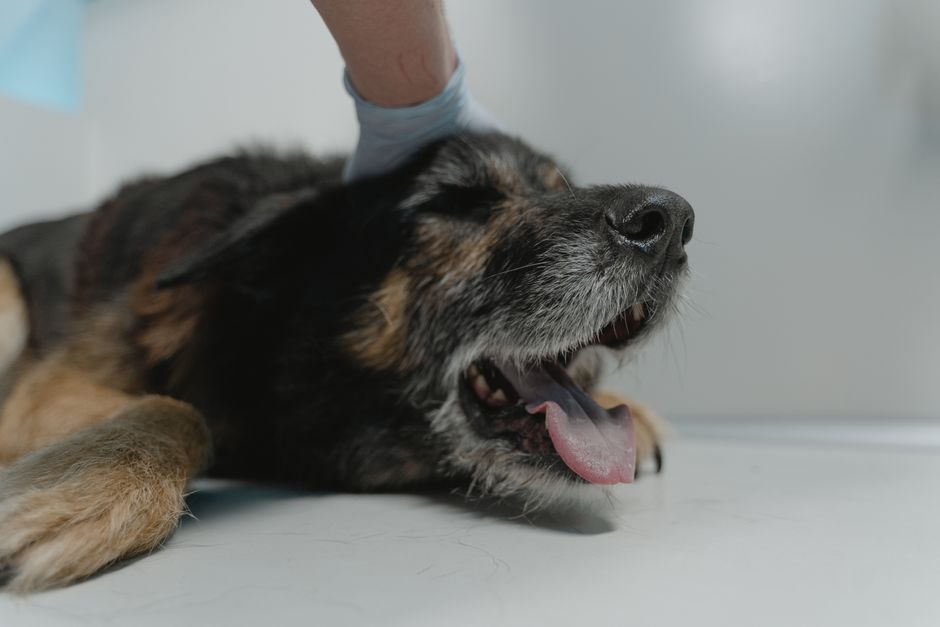
Recognizing dental issues in pets begins with observing subtle changes in their behavior, appetite, and appearance. Since dogs and cats cannot tell us when something hurts, it is important to stay alert to the quiet signals they give. Key symptoms of pet dental problems include persistent bad breath that does not improve after brushing or dental treats, red or swollen gums, and visible tartar accumulation along the gumline. Additionally, you may notice that your pet drops food while eating, chews more slowly, or avoids harder foods altogether. Some pets paw at their mouths or shy away from being touched around the face. Other warning signs are bleeding from the gums, excessive drooling that is not typical for your pet, and changes in mood, such as increased irritability or withdrawal from the family.
Sometimes, the first indication is simply a reluctance to play with toys or chew bones that they previously enjoyed. Cats, in particular, may become less active or start grooming less if their mouths are painful. Weight loss can also develop over time if eating becomes too uncomfortable. As you observe your pet, remember that even mild symptoms may signal underlying dental disease. That is why early oral checkups for pets are so important. If you notice any of these changes in your dog or cat, contacting a quality vet near me can help you get answers before the problem worsens.
For more in-depth information about symptoms and what to look for, visit our page on gingivitis and dental care for pets.
Why Do Dental Problems Develop in Pets?
Understanding the causes of dental disease in pets helps you appreciate how quickly problems can escalate without proper care. The primary culprit is plaque, a sticky film of bacteria that accumulates on teeth after eating. If plaque is not removed with regular brushing or professional cleanings, it hardens into tartar, which traps bacteria against the gums. Over time, this leads to gingivitis, the earliest stage of gum disease, causing inflammation and discomfort. If gingivitis is not addressed, it can progress to periodontitis, a more severe form that damages the tissues and bone supporting your pet’s teeth.
Several factors increase the risk of pet dental problems. Genetics play a role, with certain breeds—particularly small dogs and some cats—being more prone to gum disease. Diet also matters; pets that eat mostly soft food may not benefit from the natural abrasive action of chewing kibble or dental treats. Age is another factor, as dental disease becomes more common in senior pets. Other contributors include misaligned teeth, retained baby teeth, or underlying health conditions that weaken the immune system. Environmental factors, such as the local climate in Redford Township and surrounding communities, can also influence oral health by affecting hydration and the growth of bacteria.
Ultimately, dental problems in pets are common but largely preventable. Routine oral checkups for pets, combined with home care, make a significant difference. If you are searching for pet dental cleanings near me or seeking advice on preventive strategies, our veterinarians are here to guide you.
Professional Treatment Options for Pet Dental Problems in Redford Township
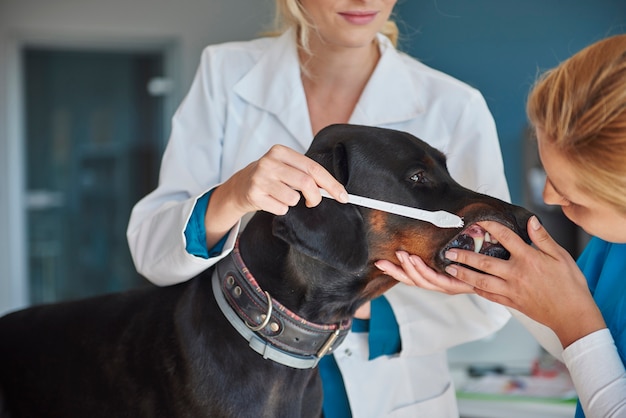
When dental disease is caught early, treatment tends to be straightforward and highly effective. At Five Mile Animal Hospital, our veterinarians offer a full range of dental services tailored to your pet’s individual needs. The first step is a thorough oral examination, which may include dental radiographs for pets to assess the health of tooth roots and jawbone. This advanced imaging allows us to detect hidden issues, such as abscesses or bone loss, that cannot be seen with the naked eye.
For most pets, the cornerstone of dental treatment is a professional cleaning performed under anesthesia. This procedure allows our veterinary team to scale away tartar above and below the gumline, polish the teeth, and flush away bacteria. If we discover loose, fractured, or infected teeth, we may recommend pet tooth extraction services to relieve pain and prevent further damage. In cases where oral surgery is needed, our team uses up-to-date techniques to ensure your pet’s comfort and safety.
Treatment approaches involve more than just cleaning and extraction; we also focus on pain management and post-procedure care, providing you with detailed instructions for home recovery. Our veterinarians will discuss ongoing maintenance, including recommended diets and dental products, to keep your pet’s mouth healthy between appointments. For those searching for comprehensive pet dental care in Redford Township or looking for a dental vet near me, our clinic is equipped to handle a variety of dental procedures with compassion and expertise.
Preventing Dental Disease: At-Home Care and Professional Support
The best way to avoid pet dental problems is a combination of preventive home care and regular evaluations by a veterinarian near me. Daily brushing with pet-safe toothpaste is the gold standard and helps remove plaque before it hardens into tartar. For pets that resist brushing, dental chews or toys designed to clean teeth can be helpful. Feeding a balanced diet that includes kibble or specially formulated dental food can also promote oral health by encouraging chewing and reducing soft food buildup.
Regular oral checkups for pets, ideally every 6 to 12 months, allow your veterinarian to catch issues before they become painful or costly. During these visits, our team will inspect your pet’s teeth and gums, discuss any changes you have noticed at home, and recommend a schedule for professional cleanings. You can schedule a wellness exam and dental check-up for your pet to make sure their oral health stays on track.
Additional steps include providing fresh water at all times, monitoring your pet’s breath, and watching for any changes in eating or behavior. If you have questions about dental products or brushing techniques, our veterinarians are always happy to demonstrate and offer advice tailored to your pet’s personality and needs.
When to Seek Veterinary Care for Pet Dental Problems
Knowing when to seek professional help is essential for protecting your pet from serious complications. If you notice persistent bad breath, visible tartar, red or bleeding gums, or any of the symptoms mentioned earlier, it is time to contact a veterinarian near me for a dental evaluation. Immediate veterinary attention is needed if your pet suddenly stops eating, drools excessively with blood, or develops swelling around the mouth or face. These may be signs of infection or abscess that require prompt treatment.
It is also wise to schedule a dental check-up if your pet has never had a professional cleaning or if it has been more than a year since their last oral examination. Even if your pet appears healthy, hidden dental disease can progress quietly. Our veterinary team in Redford Township provides gentle, thorough care designed to make every visit as stress-free as possible for both you and your pet.
Remember, early intervention not only prevents pain and tooth loss but also reduces the risk of more costly treatments in the future. If you are unsure whether your pet’s symptoms warrant a visit, do not hesitate to call; our veterinarians are here to answer your questions and guide you through the next steps.
For more details about what is involved in a pet dental cleaning or to discuss your pet’s unique situation, our team is always available to help.
Protect Your Pet’s Smile: Take Action Today
Your pet’s health and happiness depend on a healthy mouth. By learning to recognize the early signs of dental problems and acting quickly, you can spare your companion pain and protect them from more serious health risks. At Five Mile Animal Hospital, we are committed to providing comprehensive pet dental care in Redford Township and surrounding communities. Our veterinarians take the time to explain your options, answer your questions, and support you with both in-clinic and at-home strategies for lifelong oral health.
If you have noticed any changes in your pet’s breath, eating habits, or mood, or if it has been a while since their last oral checkup, now is the perfect time to schedule an appointment. Our veterinary professionals are ready to help you with everything from preventive dental cleanings to advanced treatments. Whether you are searching for a quality vet near me or need advice on oral checkups for pets, we are here for you every step of the way.
Contact Five Mile Animal Hospital today at (313) 532-4440 or visit us at 25920 Five Mile Road, Redford Township, MI 48239 to schedule your pet’s dental evaluation. You can also explore our pet dental cleaning services or ask about a wellness exam and dental check-up to get started on the path to better oral health. Your pet deserves a lifetime of healthy smiles, and our team is here to make that possible.
This blog is intended for informational purposes only and should not replace professional veterinary advice. If you are concerned about your pet’s dental health, please consult your veterinarian for a personalized assessment and treatment plan.