Senior Dog Wellness Exam: What Redford Owners Should Know
Senior Dog Wellness Exam: What Redford Owners Should Know
Caring for a senior dog is a rewarding journey, but as your loyal companion grows older, their health needs become more complex. If you’re in Redford Township or the surrounding communities, understanding the importance of a senior dog wellness exam can make a significant difference in your dog’s health and happiness. At Five Mile Animal Hospital, our compassionate veterinary team, led by Dr. Mina Abdulmalek, is committed to helping pet owners provide the best possible care for their aging dogs. In this blog, we’ll explain why regular senior dog wellness exams matter, what you can expect during your visit at our Redford Township location, and how to help your dog thrive through the fall and beyond. Whether you’ve noticed subtle changes in your senior dog or simply want to stay proactive, the following information will guide you through every step of the process. To learn more about our specialized approach, you can explore our senior pet care services designed for aging dogs.
Recognizing When Your Senior Dog Needs a Wellness Exam
As dogs age, they experience changes that may not always be obvious to the untrained eye. Many pet owners attribute stiffness or increased sleeping to normal aging, but these signs can also point to underlying health problems. It’s essential to know when your older dog could benefit from a senior dog wellness exam. Some of the most common changes that signal it’s time for a veterinary checkup include a decrease in energy, reluctance to go on walks, stiffness after resting, noticeable weight gain or loss, changes in appetite, increased thirst, or accidents in the house despite being reliably housetrained. You might also observe new lumps or bumps on your dog’s skin, bad breath, coughing, or labored breathing. Subtle shifts in behavior—like seeming confused, anxious, or withdrawn—can be just as significant as physical changes.
While these symptoms may develop gradually, they are important indicators that your dog may need medical attention. Dogs are experts at hiding discomfort, so even if your senior dog seems content, a thorough examination can reveal developing conditions before they become advanced. Early detection allows for more effective treatment and helps your dog maintain a higher quality of life.
Why Senior Dogs Face Unique Health Risks
Aging brings about a natural decline in a dog’s bodily functions. Senior dogs, typically considered to be those over seven years old, face increased risks for a range of health issues. Common conditions in older dogs include arthritis, dental disease, heart disease, kidney disease, liver problems, diabetes, and certain types of cancer. The metabolism slows down, and immune system function may decrease, making it harder for your dog to fight off infections. Changes in vision and hearing are also typical, as are cognitive changes that can affect your dog’s daily routine.
Environmental factors in Redford Township, such as cool, damp fall weather, can exacerbate issues like joint stiffness or respiratory problems. Additionally, lifestyle factors—including diet, exercise, and previous health history—play a role in determining which risks are most relevant to your individual dog. Recognizing these vulnerabilities is the first step toward providing tailored care that addresses both current health challenges and preventive needs.
What Happens During a Senior Dog Wellness Exam at Five Mile Animal Hospital
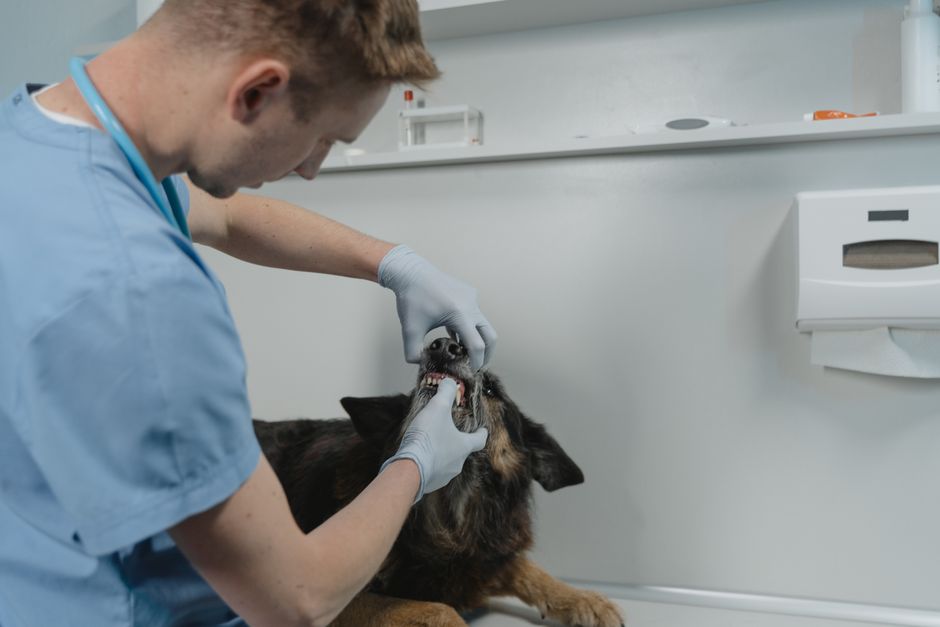
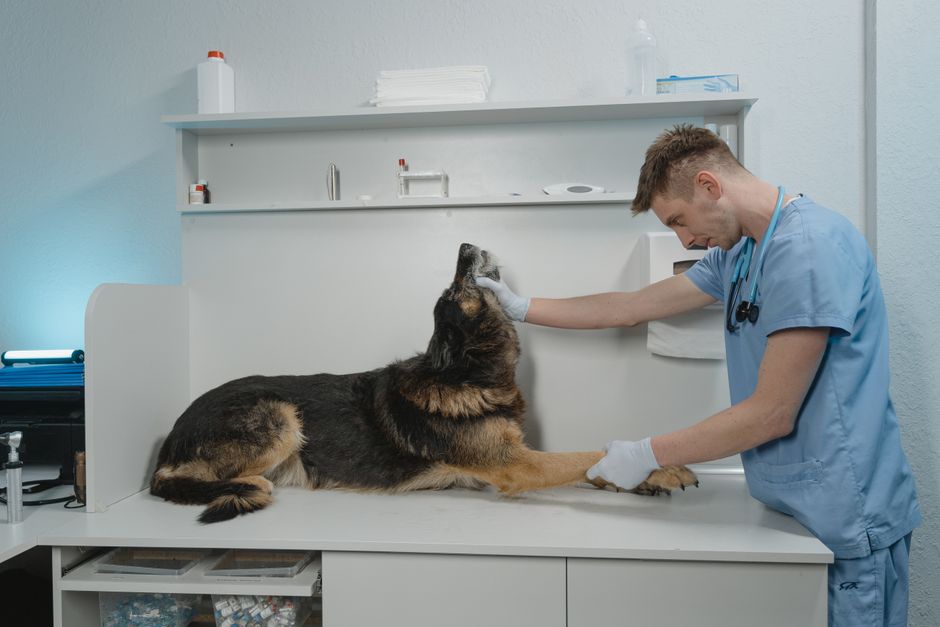
When you schedule a senior dog wellness exam with our veterinary team, you can expect a comprehensive, head-to-tail evaluation tailored to the unique needs of older dogs. The process begins with a thorough review of your dog’s medical history, recent behaviors, and any concerns you’ve noticed at home. Our veterinarians will conduct a physical examination that includes checking your dog’s eyes, ears, mouth, teeth, skin, and coat for signs of disease or discomfort.
Special attention is given to the heart and lungs, with our team listening for murmurs, arrhythmias, or abnormal lung sounds that could signal underlying problems. We assess your dog’s joints and mobility, looking for evidence of pain, arthritis, or muscle loss. Weight and body condition scoring help us monitor for obesity or unexplained weight changes. If dental disease is suspected, an oral examination may reveal tartar, gum inflammation, or loose teeth, which are common in senior dogs.
To gain a complete picture of your dog’s health, we often recommend additional diagnostic tests. These may include bloodwork to evaluate organ function, urinalysis to detect kidney or urinary tract issues, and digital radiographs (X-rays) to examine the heart, lungs, and skeletal system. For dogs with a history of heart disease or concerning symptoms, our electrocardiogram services can provide valuable insights into cardiac health. Our in-house diagnostic laboratory allows us to quickly process many of these tests, offering timely answers to pressing health questions.
How Regular Exams and Preventive Care Support Senior Dog Health
Routine senior dog wellness exams are not just about detecting disease; they are an essential part of preventive care. By identifying changes early, we can recommend interventions that help your dog stay active and comfortable. Preventive measures that our veterinary team may suggest include tailored nutrition plans to support joint health and healthy weight, dental care to prevent or treat gum disease, and customized vaccination schedules that consider your senior dog’s lifestyle and risk factors.
For dogs with chronic conditions, such as arthritis or heart disease, we work with you to develop a management plan that may include pain relief, physical therapy, or medications to slow disease progression. Our approach is always individualized, taking into account your dog’s unique personality, health history, and your own goals for their care. Ongoing monitoring through regular exams allows us to adjust treatment as needed and keep your dog’s health on track as the years go by.
Home Care Tips for Supporting Your Senior Dog
While regular veterinary visits are crucial, what you do at home has a major impact on your senior dog’s wellbeing. Keeping your dog at a healthy weight through portion control and regular, gentle exercise can reduce the risk of arthritis and other chronic diseases. High-quality, age-appropriate diets support energy and organ function, and your veterinarian can recommend specific foods if your dog has medical needs.
Maintaining a comfortable home environment is important as well. Soft bedding, easy access to food and water, and non-slip surfaces can help dogs with mobility issues. Monitor your dog for changes in appetite, drinking habits, bathroom routines, and behavior. If you notice anything unusual—such as vomiting, diarrhea, coughing, or loss of interest in favorite activities—schedule a veterinary visit promptly. Dental health is often overlooked, so regular tooth brushing and dental chews, along with professional cleanings, help prevent painful oral disease.
Mental stimulation remains vital in your dog’s senior years. Short walks, gentle play, and puzzle toys can keep your dog engaged and happy. Above all, patience and understanding are essential, as older dogs may need more time to adjust to changes in their routine.
When to Schedule a Senior Dog Wellness Exam
If your dog is seven years or older, we recommend scheduling a senior dog wellness exam at least twice a year. More frequent visits may be necessary for dogs managing chronic health conditions. You should also book an appointment if you observe symptoms such as unexplained weight loss, persistent coughing, sudden changes in appetite or thirst, vomiting or diarrhea that lasts more than a day, difficulty moving or getting up, or any new lumps or bumps.
Delaying veterinary care can allow minor issues to progress into serious health threats. Regular checkups at Five Mile Animal Hospital are designed to catch problems early, giving your dog the best chance at a longer, healthier life. If you’re ever uncertain about whether your dog’s symptoms warrant a visit, our veterinary professionals are always ready to provide guidance and reassurance.
To understand more about what’s included in a wellness examination or to discuss specific concerns related to your senior dog, our team is here to help.
Why Choose Five Mile Animal Hospital for Senior Dog Care in Redford Township
At Five Mile Animal Hospital, we believe that every stage of your dog’s life deserves expert, compassionate care. Our family-owned practice in Redford Township is dedicated to building lasting relationships with pet owners, and we strive to make each visit comfortable and informative. Our veterinarians are experienced in detecting the subtle changes that come with aging, and we use advanced diagnostics to ensure no sign is overlooked. Whether your dog requires routine monitoring, specialized diagnostics, or supportive senior care, we are here to partner with you every step of the way.
Schedule Your Senior Dog Wellness Exam Today
Your senior dog’s best years can still be full of vitality, love, and companionship. By prioritizing regular senior dog wellness exams, you’re giving your dog the best chance at a happy, healthy future. If you’re searching for a trusted vet near me, Five Mile Animal Hospital is here to support you and your dog with expert, compassionate care. Schedule an appointment by calling (313) 532-4440 or visit us at 25920 Five Mile Road, Redford Township, MI 48239. For more information on our senior pet care services or to request a wellness examination, our team of veterinarians is here to answer your questions and provide personalized recommendations.
If you notice any unusual changes in your senior dog, don’t wait—early detection and proactive care can make all the difference. Let Five Mile Animal Hospital be your partner in ensuring your dog enjoys their golden years to the fullest with regular senior dog wellness exams and supportive care tailored to their needs.
This blog is intended for informational purposes and does not replace professional veterinary advice. Always consult your veterinarian for guidance specific to your dog’s health.