Senior Dog Wellness Exams: What Redford Pet Owners Should Know
Senior Dog Wellness Exams: What Redford Pet Owners Should Know
As your loyal companion begins to slow down, you may wonder what it truly means for your dog to become a senior and how you can help them stay healthy through their golden years. At Five Mile Animal Hospital, we understand how much you cherish your dog’s comfort and happiness. Located in the heart of 25920 Five Mile Road, Redford Township, MI 48239, our team is dedicated to providing comprehensive care, especially as your dog’s needs change with age. This guide explores why scheduling a senior dog wellness exam is one of the most important steps you can take to support your aging pet, what is included in these exams, and how proactive veterinary care can make a difference for dogs in Redford Township and surrounding communities.
In the following sections, we will discuss common signs of aging in dogs, why senior dog wellness exams are so valuable, what to expect during these visits, and how you can support your senior dog at home. We will also provide guidance on when it’s time to seek veterinary care and why so many local pet owners trust Five Mile Animal Hospital for expert senior care. If you are considering a wellness examination for your senior dog, our compassionate veterinary team is here to guide you every step of the way.
Recognizing the Signs: When Is Your Dog a Senior?
Many pet owners are surprised to learn that dogs are considered “senior” much earlier than expected. Depending on breed and size, some dogs may enter their senior years as early as seven years old, while larger breeds may show signs even sooner. Aging is a gradual process; it doesn’t happen overnight. You may notice subtle changes at first, such as your dog taking longer to get up in the morning or being less eager for their daily walk.
Key signs of aging in dogs include greying around the muzzle, reduced energy, changes in sleeping patterns, and difficulty with stairs or jumping onto furniture. Other changes might involve increased thirst, more frequent urination, or noticeable weight gain or loss. Some senior dogs develop stiffness, especially after lying down, and may seem less interested in play or social interaction. Cognitive changes can also emerge, such as confusion or forgetfulness. If you notice any of these signs, it is a good time to consider a wellness examination specifically tailored to senior pets.
Why Do Dogs Age? Understanding the Senior Years
Aging is a natural process that affects every dog, but it doesn’t look the same for all breeds or individuals. Genetics, lifestyle, diet, and past medical history all play a role in how your dog ages. Larger breeds tend to have shorter lifespans and may experience age-related changes earlier, while smaller breeds often remain spry into their early teens. Over time, the body’s ability to repair itself slows down, and organs such as the heart, kidneys, and liver can become less efficient. Joints may become arthritic, teeth can accumulate tartar leading to dental disease, and vision or hearing might decline.
Environmental factors, such as regular exercise, nutritious food, and preventive veterinary care, can help delay some signs of aging. However, even the most well-cared-for dogs will eventually face age-related changes. This is why preventive care, including a regular senior dog wellness exam, is so critical for early detection of underlying issues and for maintaining your dog’s quality of life as they age.
The Importance of a Senior Dog Wellness Exam
Scheduling a senior dog wellness exam at Five Mile Animal Hospital gives your dog the benefit of early detection and intervention. These comprehensive exams go beyond the basics, focusing on the subtle changes that often accompany aging. Our veterinary team pays close attention to your dog’s weight, dental health, mobility, and organ function, as well as behavior and mental sharpness.
A senior dog wellness exam may include a full physical assessment, bloodwork to screen for organ function and common age-related diseases, urinalysis to assess kidney health, and diagnostic imaging such as digital radiology if needed. We also evaluate your dog’s dental health, as dental disease is especially common in seniors and can impact the heart and kidneys. By reviewing your dog’s medical history and discussing any changes you’ve observed at home, we can create a personalized care plan that addresses their unique needs. For more details on the specialized care we offer for aging pets, visit our page on Senior Pet Care services for aging dogs.
What to Expect During a Senior Dog Wellness Exam
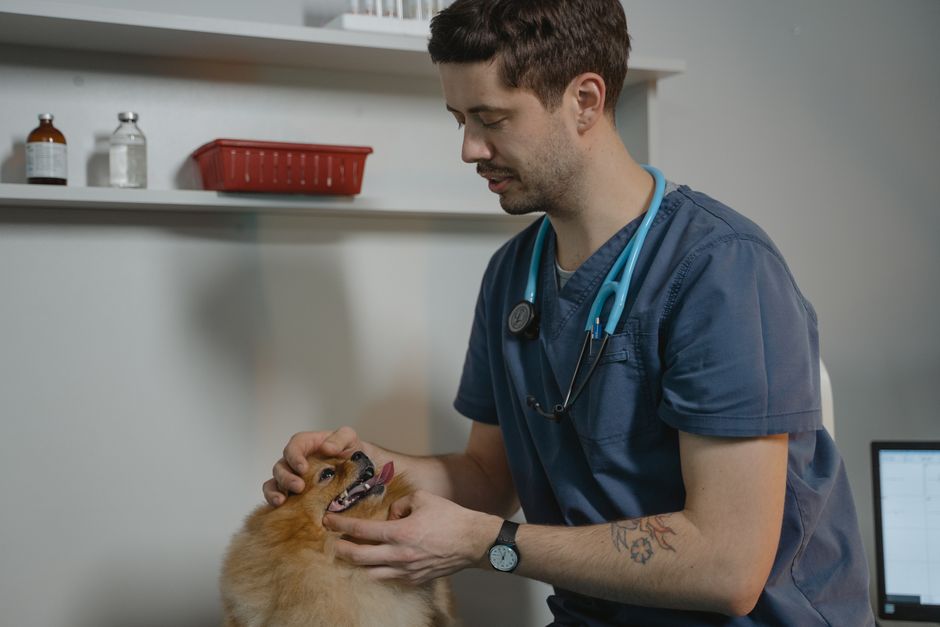
During your visit, our veterinarians will start with a thorough discussion about your dog’s daily habits, any recent changes, and your concerns. The physical examination includes checking the eyes, ears, mouth, skin, and joints for any abnormalities. We may recommend baseline bloodwork to detect early signs of diseases such as diabetes, thyroid imbalance, or kidney dysfunction, as these conditions often do not show obvious symptoms in the early stages.
Additional diagnostics, such as a blood pressure reading or electrocardiogram, may be advised if your dog shows signs of heart disease. Dental care is also a major focus, since neglected oral health can lead to pain and difficulty eating. If you have noticed bad breath, drooling, or reluctance to chew, be sure to mention this during your appointment.
Managing Your Senior Dog’s Health: Treatment and Support
Caring for a senior dog means being proactive about their health needs. Treatment options for age-related conditions can range from dietary modifications and joint supplements to medications for arthritis or chronic diseases. If bloodwork reveals early signs of kidney or liver disease, dietary adjustments and close monitoring may significantly improve quality of life. For dogs with arthritis, our team may recommend pain management strategies, physical therapy, or even changes in your home environment such as providing non-slip rugs and orthopedic beds.
Dental cleanings and extractions are sometimes necessary to relieve discomfort and prevent further health complications. The goal is always to keep your dog comfortable and enjoying life with you. Our veterinarians will guide you through any recommended treatments and follow-up care, keeping you informed and empowered as your dog’s needs evolve.
Preventive Care and Home Support for Senior Dogs
The home environment plays a vital role in your senior dog’s comfort. Simple steps such as providing easy access to food and water, minimizing stairs, and offering supportive bedding can make daily life easier for your pet. Regular, gentle exercise helps maintain muscle tone and joint health, while mental stimulation through toys or new experiences supports cognitive function.
Nutrition is especially important for senior dogs. Your veterinarian can recommend diets tailored to your dog’s age, weight, and any underlying medical conditions. Weight management becomes even more crucial with age, as extra pounds can exacerbate arthritis and other health issues.
Scheduling regular veterinary visits, including a senior dog wellness exam every six months, allows for early detection and more effective management of chronic diseases. Even if your dog seems healthy, these exams are essential for catching subtle changes before they become serious problems.
When to Seek Veterinary Care for Your Senior Dog
It is not always easy to know when a change in your dog is part of normal aging or a sign of a medical problem. Red flags that warrant immediate attention include sudden weakness, difficulty breathing, persistent vomiting or diarrhea, severe pain, sudden changes in appetite or weight, or signs of confusion and disorientation. If you observe these symptoms, do not wait; contact a veterinarian promptly.
For ongoing concerns such as gradual stiffness, increased drinking or urination, or persistent bad breath, scheduling a wellness examination is the best way to determine the cause and develop a management plan. Our veterinary team is always available to discuss your worries and help you decide when your senior dog should be seen.
Why Redford Pet Owners Trust Five Mile Animal Hospital for Senior Dog Wellness Exams
At Five Mile Animal Hospital, we treat every dog as a cherished member of the family. Our commitment to compassionate, thorough care shines through every interaction, from preventive wellness exams to advanced diagnostics and personalized treatment plans. Dr. Mina Abdulmalek and our dedicated veterinary professionals have years of experience supporting aging dogs, and we are proud to be a trusted resource for pet owners in Redford Township and nearby communities.
We understand that searching for a “vet near me” is about more than just convenience; it is about finding a team that truly cares for your dog’s wellbeing. Our approach to senior care is rooted in education, empathy, and a deep respect for the human-animal bond. Whether your dog is just entering their senior years or is already managing chronic conditions, we are here to support you every step of the way.
Take the Next Step: Schedule Your Senior Dog Wellness Exam Today
Your senior dog deserves the best possible care throughout their golden years. A senior dog wellness exam at Five Mile Animal Hospital can help ensure early detection of age-related health issues, provide you with peace of mind, and keep your companion happy and comfortable. If you are looking for a veterinarian near me who truly understands the needs of aging dogs, our team invites you to schedule an appointment today.
To learn more about our comprehensive wellness examination or specialized Senior Pet Care services for aging dogs, please call us at (313) 532-4440 or visit us at 25920 Five Mile Road, Redford Township, MI 48239. Our veterinary team is honored to serve families across Redford Township and the surrounding area. Give your senior dog the gift of lasting health and comfort—contact us today to schedule their next senior dog wellness exam.
This article is intended for informational purposes only and does not replace professional veterinary advice. Please consult your veterinarian for individualized recommendations for your dog’s health.