
Understanding Electrocardiograms for Pets at Our Clinic
Understanding Electrocardiograms for Pets at Our Clinic
If you have ever wondered whether your pet’s heart is as healthy as it should be, you are not alone. Many pet owners in Redford Township and surrounding communities want to do everything possible to help their dogs and cats live long, active lives. One of the most advanced tools we use at Five Mile Animal Hospital is the pet electrocardiogram, commonly referred to as an ECG. This diagnostic test allows our veterinary team to detect heart problems early, often before your pet shows any outward symptoms. In this blog, we will walk you through what a pet electrocardiogram is, when we might recommend an ECG for dogs and cats, what to expect during your visit, and how these tests can make a lasting difference in your pet’s health.
Our clinic, located at 25920 Five Mile Road, Redford Township, MI 48239, is dedicated to delivering quality veterinary diagnostics in Redford Township. Whether you are searching for comprehensive heart care, routine wellness, or simply want to find a "vet near me" who takes heart health seriously, our compassionate veterinary professionals are here to help. We invite you to read on to learn more about how a pet electrocardiogram might benefit your dog or cat, and how our approach to preventive care sets us apart. If you are interested in the details of our testing, you can visit our page on electrocardiogram service for pets at Five Mile Animal Hospital.
When Does My Pet Need an Electrocardiogram? Recognizing the Signs
Many pet owners first hear about pet electrocardiograms during a wellness exam or when their veterinarian notices something unusual. It can be concerning to learn your pet might need a heart test, especially if your dog or cat seems healthy at home. Yet, heart conditions in pets often develop quietly, with only subtle changes at first. Early warning signs that a pet might benefit from an ECG in Redford Township include episodes of fainting, sudden weakness, unexplained coughing, rapid or irregular breathing, and exercise intolerance. Some pets may develop a sudden collapse or appear lethargic, especially after activity. In older pets, signs such as persistent fatigue or changes in appetite may indicate an underlying heart concern.
Additionally, our veterinary team may recommend an ECG for dogs and cats if we detect a heart murmur during a checkup, or if your pet has a breed predisposed to cardiac disease. Certain medications, especially those prescribed for chronic conditions, may also require ECG monitoring to ensure your pet’s heart remains safe and healthy. If you notice any of these symptoms or if your pet’s behavior changes in a way that worries you, it is always best to reach out for veterinary diagnostics near me, so we can help get to the root of the issue promptly.
Understanding the Causes: Why Heart Issues Develop in Pets
Heart conditions in pets can develop for a variety of reasons, and some risk factors are more common than others. Genetics play a major role; certain breeds of dogs and cats are more likely to experience heart problems due to inherited traits. For example, Boxers, Doberman Pinschers, and Maine Coon cats are known for being at higher risk of specific heart diseases. Age is another important consideration, as senior pets are generally more susceptible to heart changes due to the natural aging process.
Other contributing factors include underlying health conditions such as high blood pressure, thyroid disease, or obesity, which can all place extra stress on the heart. Infections, such as heartworm disease, are also a concern in Michigan, especially during warmer months when mosquitoes are most active. Some pets may develop heart rhythm abnormalities as a result of previous illnesses or after undergoing certain surgical procedures. Our veterinary diagnostics in Redford Township are designed to identify these issues early, allowing us to tailor a plan that addresses each pet’s unique background and risk factors.
What Happens During a Pet Electrocardiogram? The Process and What to Expect
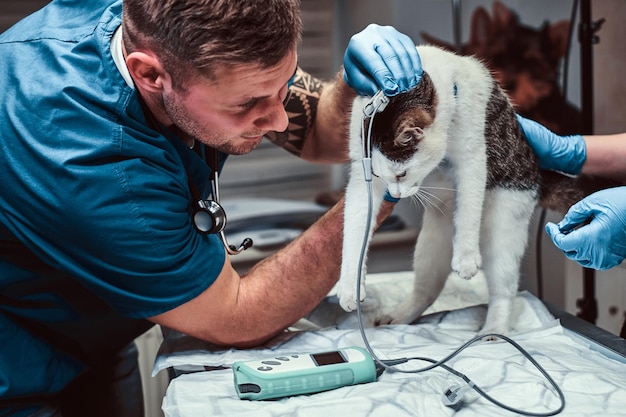
If our veterinarians recommend an ECG for your dog or cat, you might be curious about what the test involves and how it will feel for your pet. A pet electrocardiogram is a non-invasive, painless procedure that records the electrical activity of your pet’s heart. During your visit to our clinic in Redford Township, your pet will be gently positioned on a comfortable exam table. Small adhesive electrodes are placed on specific points on your pet’s body, usually on the limbs and sometimes the chest. These electrodes are connected to the ECG machine, which records the heart’s rhythm and electrical patterns in real time.
The entire process typically takes only a few minutes, and most pets tolerate it well with minimal stress. Our veterinary professionals are experienced at keeping pets calm and comfortable throughout the test. The data collected helps us identify abnormal rhythms (arrhythmias), detect signs of heart enlargement, and monitor for underlying cardiac disease. This information is essential for diagnosing heart problems, guiding treatment decisions, and monitoring pets with known cardiac conditions. You can learn more about the specifics of our electrocardiogram service for pets at Five Mile Animal Hospital, where we outline the steps we take to ensure accuracy and comfort during every ECG.
Managing and Treating Heart Conditions: How ECG Results Guide Care
Once we have completed a pet electrocardiogram, our veterinarians will carefully interpret the results and discuss them with you. If the ECG shows an abnormal rhythm, signs of heart disease, or changes that raise concern, we will talk through the next steps together. Treatment options depend on the underlying cause, the severity of the findings, and your pet’s overall health. For many pets, management involves a combination of medications to support heart function, dietary adjustments to reduce strain on the heart, and regular monitoring with follow-up ECGs.
In some cases, we may recommend additional diagnostic tests such as chest x-rays, bloodwork, or echocardiography to gain a more complete understanding of your pet’s heart health. Our approach emphasizes comprehensive care, so you can expect ongoing guidance and support as your pet’s needs evolve. We work closely with pet owners to adjust medication, monitor progress, and answer any questions that arise throughout the process. With regular veterinary diagnostics in Redford Township, pets with heart conditions often enjoy a better quality of life and a longer lifespan.
Prevention and Home Care: Supporting Your Pet’s Heart Health
While some heart conditions are unavoidable due to genetics or age, there are many steps you can take at home to support your pet’s cardiovascular health. Consistent exercise appropriate for your pet’s age and breed, maintaining a healthy weight, and providing balanced nutrition are all important factors. Preventive care, including annual wellness exams and heartworm prevention, is essential—especially since conditions like heartworm can be prevented with regular medication.
Monitoring your pet for subtle changes in energy, appetite, or breathing can help you catch early warning signs of heart trouble. If your pet is on long-term medication for another health issue, keeping up with any recommended bloodwork or ECG for dogs and cats is critical to ensure their heart remains in good condition. Our veterinary team is always happy to discuss lifestyle changes, dietary recommendations, and preventive strategies during your pet’s checkups. By choosing quality veterinary services near me, you are taking a vital step in protecting your pet’s heart for the long term.
When Should You Schedule an ECG? Knowing When to Seek Professional Care
Knowing when to seek veterinary diagnostics near me is key to catching heart issues before they become serious. If your pet faints, collapses, experiences sudden weakness, or shows rapid breathing that does not resolve, it is important to contact us immediately. Pets with persistent coughing, unexplained lethargy, or a new heart murmur should also be evaluated as soon as possible. Routine ECG screenings may also be recommended for senior pets, breeds at risk of hereditary heart disease, or pets on certain medications.
Our team of veterinarians at Five Mile Animal Hospital is always here to answer your questions and help you decide whether an ECG is right for your dog or cat. Delaying care can lead to more significant complications, so we encourage you to schedule an appointment whenever you notice concerning symptoms or if your pet has a known risk factor. Early intervention makes a significant difference in the outcome for pets with heart conditions, and our goal is to provide the best possible veterinary diagnostics in Redford Township and surrounding areas.
Keeping Your Pet’s Heart Beating Strong: Contact Five Mile Animal Hospital Today
Your pet’s heart health is a lifelong commitment, and we are honored to be your trusted partner every step of the way. At Five Mile Animal Hospital, we combine advanced veterinary diagnostics in Redford Township with a caring, personalized approach, ensuring every pet receives the attention and expertise they deserve. If you are concerned about your pet’s heart or simply want to be proactive about their wellness, we invite you to schedule an appointment with our veterinary professionals.
Whether you are searching for the "best veterinarian near me" or need guidance on ECG for dogs and cats, our team is here to help. Visit our electrocardiogram service for pets at Five Mile Animal Hospital page to explore our capabilities, or call us at (313) 532-4440 to book your consultation. You are also welcome to stop by our convenient location at 25920 Five Mile Road, Redford Township, MI 48239.
Your pet deserves a healthy heart and a happy life, and our veterinary team is here to support you with quality veterinary services near me every step of the way.
Medical Disclaimer: This blog is intended for educational purposes only and should not be used as a substitute for professional veterinary advice. If you have concerns about your pet’s health or are noticing symptoms described above, please consult your veterinarian promptly.


